Farm and agri-science films from field to lab
We filmed MI:RNA Diagnostics on a working farm at first light and in their lab the same afternoon. Every farm day is planned that way, around the light and the animals' routine, so the footage shows the work as it happens.





Founders, marketing leads, and communications teams at agri-science and animal health companies, and producers who need their operation on film.
Livestock, land, and operations documentation for producers, veterinary diagnostics, and agri-science clients on working farms.
How a job runs
- Brief We pin down who the film has to convince: farmers, vets, or investors.
- Schedule The day is built around first light and the animals' routine.
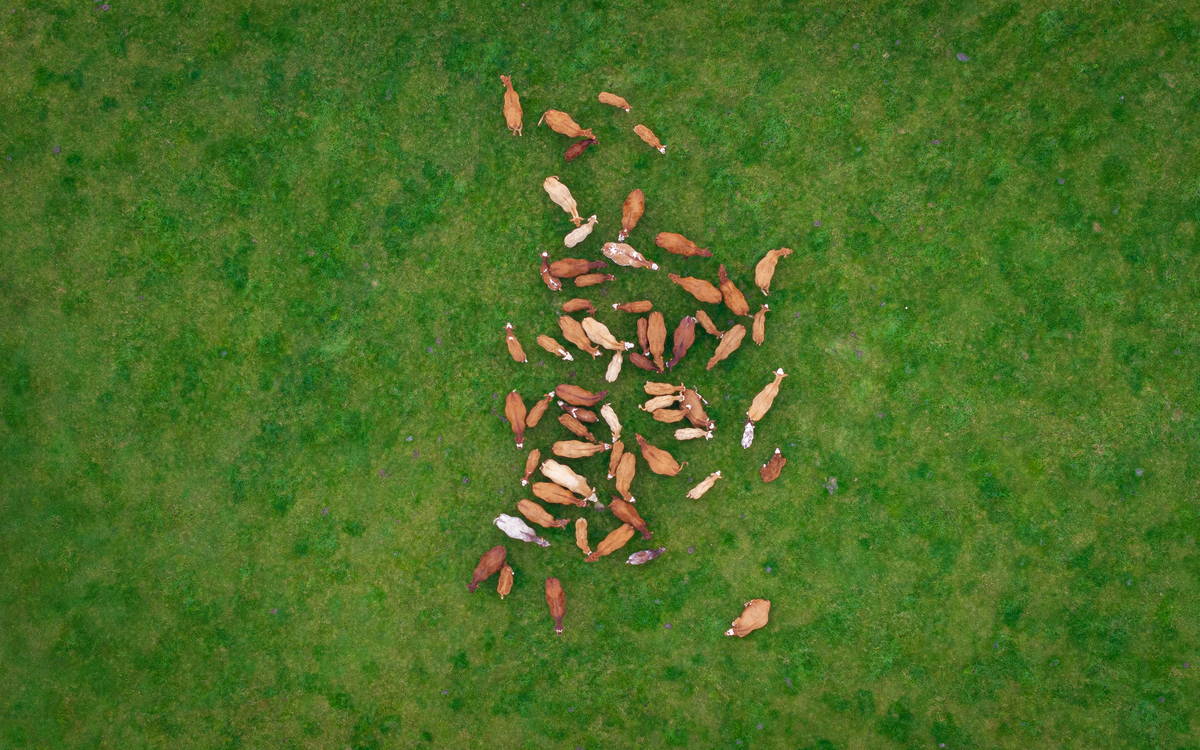
- Capture Drone over the land, close work on hands and animals, interviews on site.
- Deliver A film with its hook in the first seconds, cut to break into short clips.
Questions buyers ask
Can you film on a working farm without getting in the way?
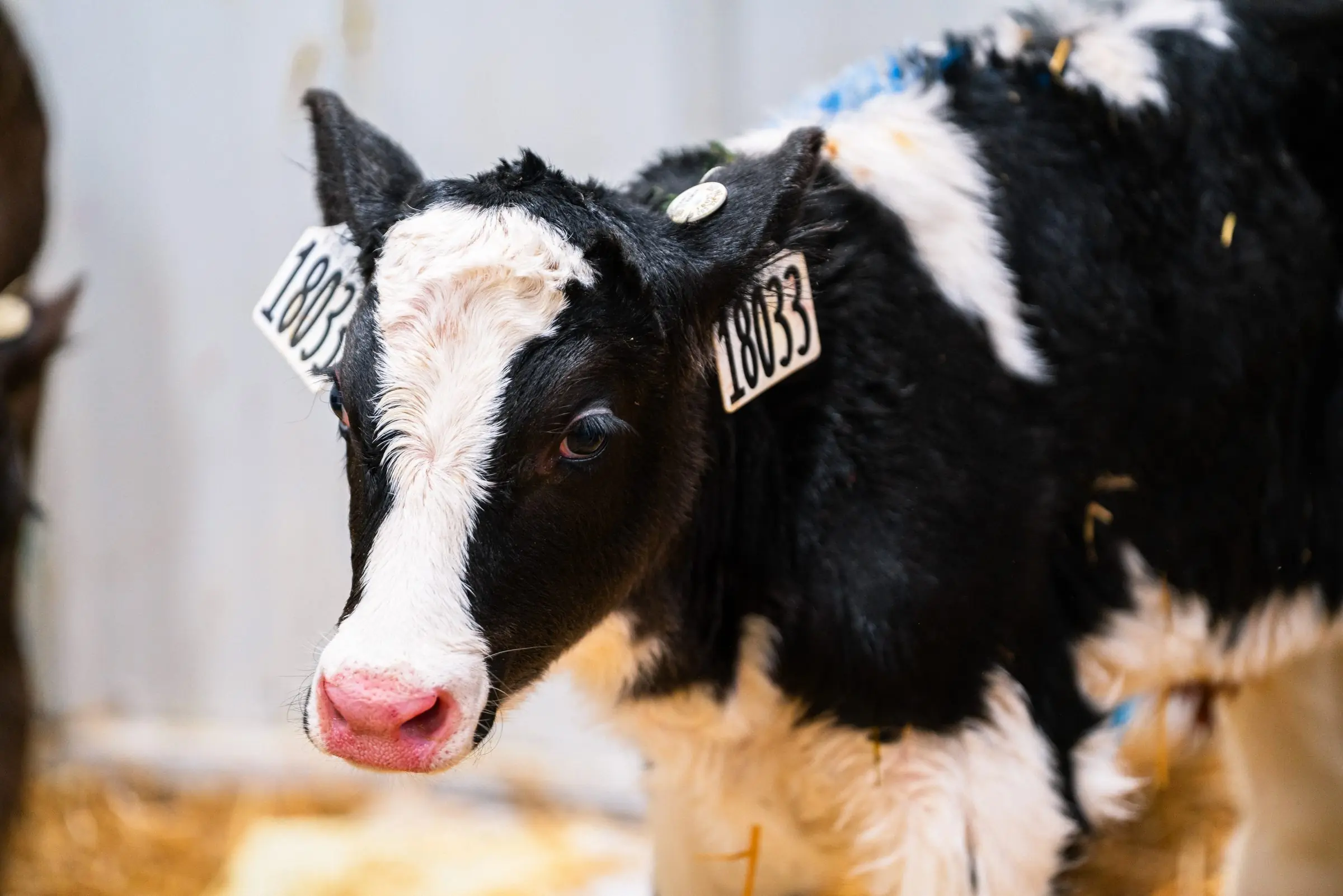
Yes. Feeding and handling come first, and the interview waits until the light has settled. For MI:RNA we interviewed the co-founder in his cattle shed, with the pens behind him.
Can 1 film work for farmers and investors?
That was the MI:RNA brief: farmers and vets want to know what changes on farm, investors want proof the science holds. The film alternates the 2.
Do you travel for farm work?
Yes. We're based in Calgary and work across western Canada. For MI:RNA, Chris McElwee travelled to Scotland and shot the whole film himself: drone, both interviews, and all the b-roll.
What does farm coverage cost?
Every quote is built from site days, crew, and deliverables. Tell us the site, the dates, and what the footage is for, and we reply within 1 business day.
I'm Dr. Eve Hanks, I'm a veterinarian and I believe that MI:RNA, a company that I founded six years ago, has the power to change and revolutionise diagnostics forever.